Then and Now
In the early days of losing my husband of 52 years, I was in shock. A fog. It lasted a full year and as time moved on, I saw myself clinging to optimism.
I’m a hopeless optimist and the problem in that is that sometimes I avoid feeling my feelings in the moment. For example, when a feeling of hopelessness would arise, my mind would quickly step in to explain away my feelings. A common tendency, but not always helpful.
Life is often hard, filled with deep grief at times and with strong feelings of joy at other times.
“I know this happiness
is provisional:
the looming presences—
great suffering, great fear—
withdraw only
into peripheral vision.”–Denise Levertov, Of Being
Beneath the feeling of hopelessness, and often a situational feeling, is despair. I name it as situational as it often shows up for me when something goes wrong in life. An unexpected bill shows up, or illness arrives. The question, “How will I get through this?” or the judgment, “I cannot do this. I will not survive.” can bring strong feelings of despair.
Once again, we recognize that while these feelings might be new to us, they are not new to humanity. Poets provide the words we need at these times. Or at least, a modicum of hope that someone understands despair and can offer their own solutions for us to try on.
“When despair for the world grows in me…
I come into the peace of wild things
who do not tax their lives with forethought of grief.”Wendell Berry, The Peace of Wild Things
Feelings have always held a distinct power in my life.
Over time, I’ve learned that the thing that helps me most is to remember that they come and go. When I feel overwhelmed with missing Dan, or when life throws curve balls and one too many comes my way, I know a few things that can help me to navigate my feelings.
Over my lifetime, I found that utilizing these tricks, individually or using one or two in combination, bring direct results:
- Moving my body
- Going outdoors into nature
- Taking a walk
- Praying
- Writing in a journal
- Calling a friend
- Playing music that brings me tears
- Reading stories about people who’ve overcome hardship
When I find myself in the overwhelm of feelings, authors such as Bernie Siegel, or Rainer Maria Rilke, remind me that feelings are normal; they are temporary; and they serve to help us move through our grief and find deeper meaning in our lives.
“Let everything happen to you: beauty and terror. Just keep going. No feeling is final.”
Rainer Maria Rilke, Letters to a Young Poet
As I move toward the fifth anniversary of Dan’s death, coming up in April 2026 (about six months from now) I am drawn to this poem of Mary Oliver:
“To live in this world
you must be able
to do three things:
to love what is mortal;
to hold it
against your bones knowing
your own life depends on it;
and, when the time comes to let it go,
to let it go.”Mary Oliver, In Blackwater Woods
But what does letting go even mean?
It means something slightly different from person to person. It’s important to think about what it does not mean for us personally.
For example, for me, it doesn’t mean:
- Forgetting our person
- Stopping the love
- Erasing our memories
- Pretending that life is fine now
Many people recoil from the phrase “let go” because it sounds like betrayal — as if healing requires abandonment. But grief professionals, spiritual teachers, and bereaved people themselves increasingly agree:
Letting go doesn’t mean letting go of the person.
It means letting go of the impossible hope that life can be as it was.
Our bond doesn’t end.
It shifts from one that’s visible and external to one that’s felt and internal. –Anonymous
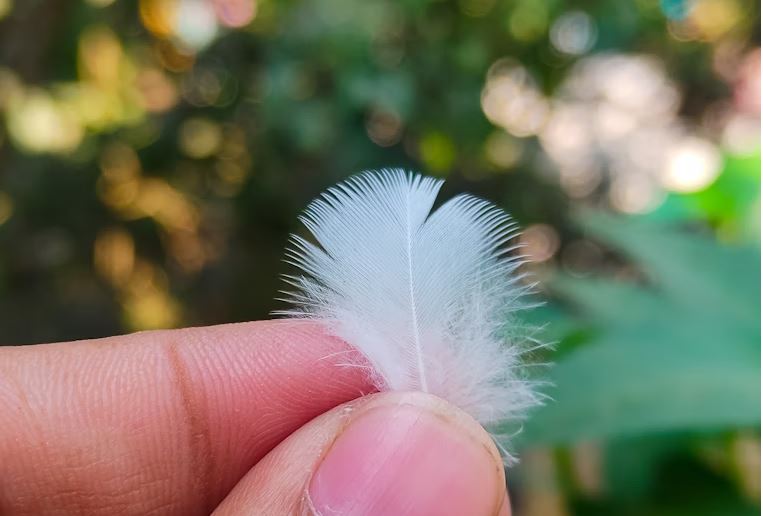
“Hope is the thing with feathers /
That perches in the soul,
And sings the tune without the words,
And never stops—at all.”Emily Dickenson, Hope is the Thing with Feathers